Best Practices for Farm Success: What Top Operators Do Differently
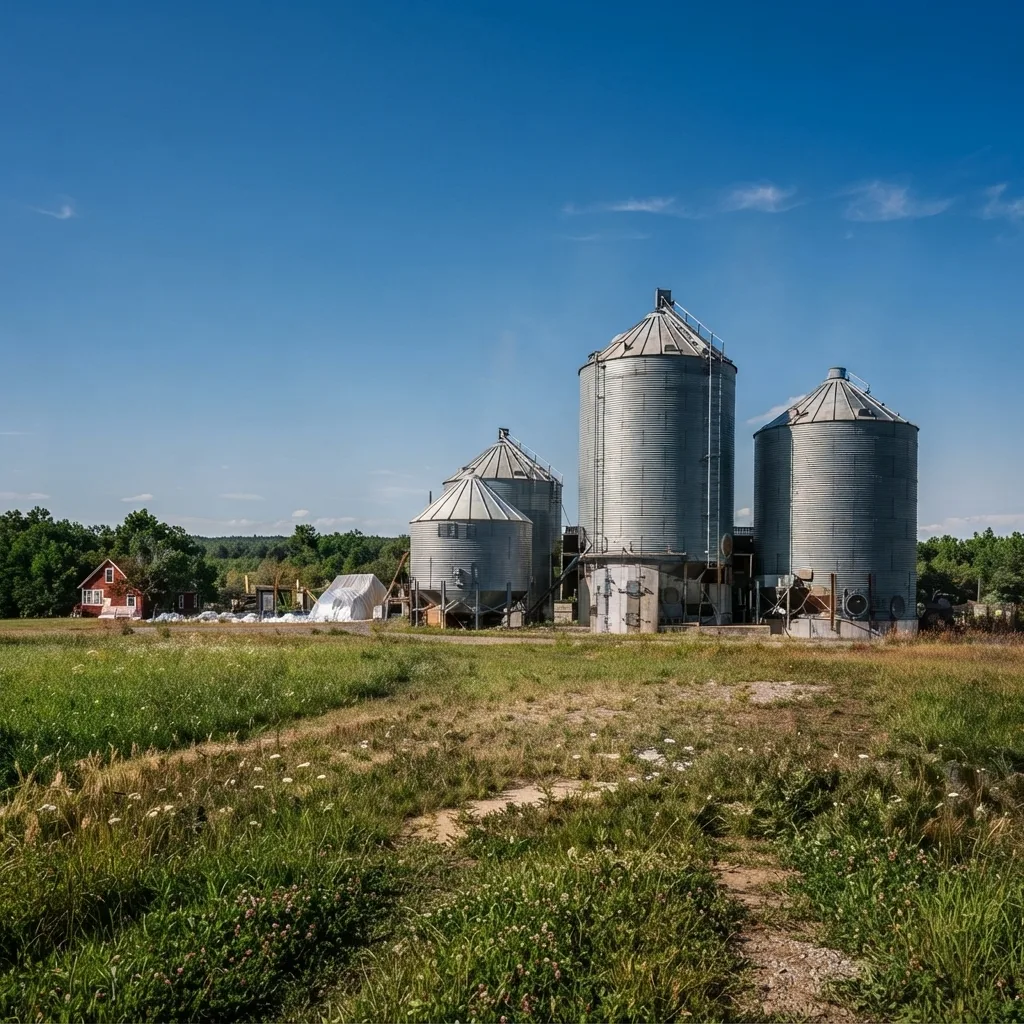
What separates a thriving, profitable livestock operation from one that perpetually struggles? After working alongside hundreds of farmers across the United States, the Melick Aquafeeds technical team has identified a consistent set of habits and practices that top-performing farms share. These are not expensive or complicated — they are disciplined, intentional, and repeatable.
1. They Invest in Feed Quality, Not Just Feed Price
High-performing farmers understand that cheap feed is often the most expensive feed. When a ration is deficient in key nutrients, animals compensate by eating more — or simply fail to perform. The cost per unit of gain, not the cost per bag, is the number that matters. Premium feeds with high bioavailability and consistent composition deliver measurably better FCR and lower total production cost.
2. They Measure Everything
Top operators track daily water intake, weekly feed consumption, monthly weight gains, and cycle-end profit margins. They compare actual performance against industry benchmarks and act quickly when metrics deviate. This data-driven mindset allows early identification of problems — before they become costly crises.
3. They Maintain Impeccable Biosecurity
Disease prevention is cheaper and more effective than disease treatment. Top farms control farm access, quarantine new stock, practice all-in/all-out production, and keep facilities clean and well-ventilated. Their vaccination calendars are planned in advance and executed without fail.
4. They Optimize the Animal Environment
Heat stress alone can reduce broiler weight gain by 20% and laying hen production by 30%. Top farms invest in proper ventilation, cooling, and lighting management. Stocking density is managed carefully to prevent stress, injuries, and disease spread. Clean, fresh water is always available — often the simplest and highest-return investment available to a livestock producer.
5. They Build Expert Relationships
The best farmers do not operate in isolation. They build relationships with a trusted veterinarian, a qualified nutritionist, and a reliable feed supplier. They attend industry seminars, participate in farmer networks, and stay current on the latest research. This continuous learning mindset is a competitive advantage that compounds over time.
6. They Plan for the Whole Cycle
Successful farmers think in production cycles, not single days. They plan their feed procurement, health interventions, and marketing strategy weeks or months in advance. This reduces emergencies, allows bulk purchasing discounts, and ensures animals reach the market at peak weight and condition.
Conclusion
Farm success is not accidental. It is the predictable result of consistent, informed decision-making applied to every aspect of the operation — from feed selection to record keeping to environmental management. The practices above are learnable and implementable at any scale. Start with one, master it, then build from there.
📞 Ready to take your operation to the next level? Our team is here to help: +1 (570) 356-2522.